
Every development project starts with a piece of land that rarely arrives ready to build on. Trees, thick brush, stumps, and uneven terrain can delay progress and create unexpected costs. For many business owners, deciding how to clear land safely and efficiently can feel overwhelming.
That’s where the right land clearing company makes a difference. Experienced professionals understand how to prepare property for construction, farming, or development without damaging the soil or the surrounding area. Once you understand what professional clearing entails, you can move forward with confidence and a clear plan for your project.
What Does a Land Clearing Company Do?
A land clearing company removes trees, brush, stumps, and debris to prepare property for construction, agriculture, or development. Using specialized equipment and experienced operators, crews clear land safely while protecting soil structure and surrounding areas. The goal is to create a stable, build-ready ground that allows the next phase of a project to begin smoothly.
Why does Proper Land Clearing Matter?
Every successful project begins with a properly prepared site. Clearing land without the right strategy can lead to unstable ground, drainage problems, or hidden debris that interferes with construction.
Professional crews approach each property with a plan. We examine soil conditions, slopes, vegetation density, and access points before equipment touches the land. This preparation helps ensure the cleared property supports buildings, roads, utilities, and long-term land use.
Equipment That Gets the Job Done
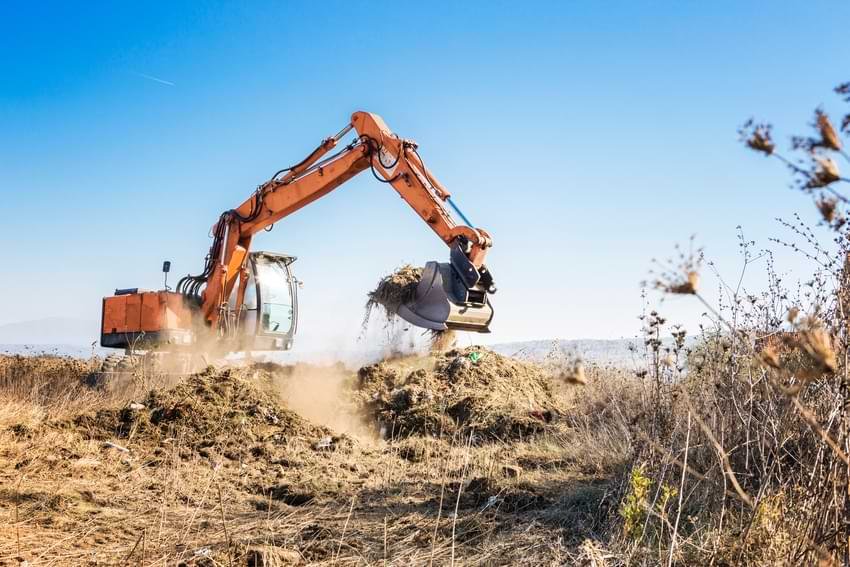
Modern land clearing relies on powerful and specialized equipment. Bulldozers, excavators, forestry mulchers, and skid steers allow crews to work efficiently across different terrain types.
These machines remove trees, grind vegetation, and handle large debris safely. Instead of slow manual work, mechanical clearing allows large areas to be prepared quickly.
For business owners working with construction timelines, the speed of professional equipment can make a significant difference.
Different Methods Used in Land Clearing
Not every property requires the same clearing approach. Experienced contractors choose methods based on the size of the land, vegetation density, and the future use of the property.
Forestry mulching, for example, grinds trees and brush into mulch that stays on the ground. This reduces hauling costs and returns nutrients to the soil. Other projects may require grubbing, excavation, or selective clearing to prepare the land properly.
Safety and Environmental Responsibility
Land clearing carries risks when done without experience. Falling trees, heavy machinery, and unstable ground can create dangerous conditions.
Professional crews follow strict safety procedures and operate equipment designed for controlled clearing. This protects workers, nearby structures, and the surrounding land.
Responsible contractors also consider environmental impact. By managing debris carefully and protecting soil stability, the property remains healthy for future use.
What Business Owners Should Look For?
Choosing the right contractor can determine how smoothly your project moves forward. A reliable team will have the equipment, training, and experience needed for large-scale clearing.
We recommend looking for companies that provide clear timelines, detailed site evaluations, and transparent communication throughout the process. A reputable contractor should also understand local regulations, permits, and environmental requirements.
Starting Your Project the Right Way
The early stages of development set the foundation for everything that follows. Working with a professional land clearing company ensures your property is prepared safely and efficiently before construction begins. Experienced crews remove obstacles, stabilize the land, and create a clean starting point for development.
If you’re planning a project and want reliable results, the team at Emerald Landworks is ready to help. Contact Emerald Landworks today to discuss your property and take the next step toward a fully prepared site.

