
Wildfire Defensible Space
Wildfire Home Defense You Can Count On
A well-planned buffer around your home is one of the most effective ways to reduce fire risk. Creating wildfire defensible space removes the fuel that flames need to spread, slowing a fire and giving firefighters room to work safely. Without this buffer, dry vegetation can guide fire straight to your walls, roof, and outbuildings.
Many homeowners ask, “How much defensible space do I need?” While local guidelines vary, most experts recommend clearing and managing the area within at least 100 feet of your home. We help you focus first on the zone closest to your house, then work outward to reduce risk across your property. Our field mowing services keep tall grass and open acreage low through the dry months, removing one of the most common fire fuels around your land.
The Rising Need for Wildfire Preparation
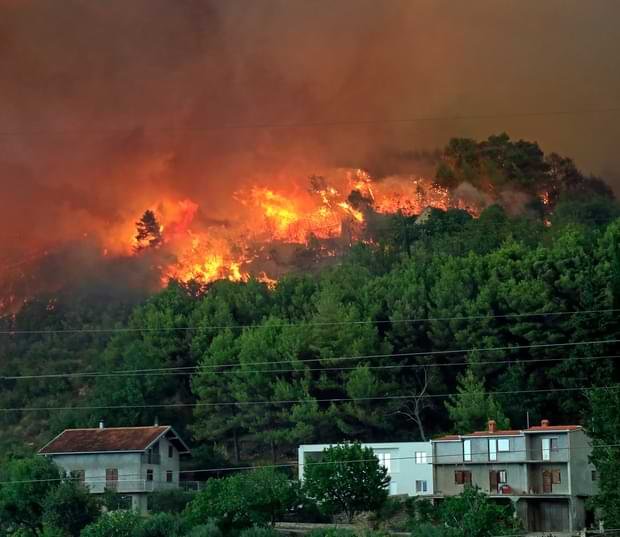
Wildfires are becoming more frequent and more intense, and no property in a fire-prone region is truly safe without preparation. Dry seasons stretch longer, and a single spark can put an entire neighborhood at risk. Taking action before fire season arrives is the smartest way to protect your home and your family.
Homeowners often wait until a threat is close before thinking about defense, but by then it may be too late. Building your buffer early gives the vegetation time to be managed properly and ensures your property is ready when conditions turn dangerous. Preparation today means peace of mind tomorrow.
How Defensible Space Wildfire Protection Works?
Effective defensible space wildfire protection follows a clear, proven method. We start by assessing your property to find the highest-risk areas, then remove or thin the vegetation that fuels fire. The goal is to break the path flames use to reach your home, creating gaps that slow or stop a fire before it arrives.
Property owners often ask, “What is the difference between defensible space zones?” The area nearest your home needs the most attention, with low plants and clear spacing. The outer zone focuses on thinning trees and clearing dead material. As a trusted driveway repair contractor, we also make sure your access routes stay smooth and stable so that fire crews can reach your home, and you can evacuate safely when it matters most.
Understanding Your Defensible Space Zones
Your property is best protected when it works as a layered system. The immediate zone within thirty feet of your home should have well-spaced plants, trimmed limbs, and no dry debris against your walls. This is the area where embers are most likely to ignite a fire close to your structure.
Beyond that inner ring, the extended zone focuses on reducing the intensity of an approaching fire. Here we thin dense stands of trees, remove ladder fuels, and clear dead brush that could carry flames upward. Together, these zones form a defense that gives your home the best possible chance of survival.
Trusted Wildfire Home Defense Solutions
Strong wildfire home defense is about more than cutting brush. It is a thoughtful process that balances safety with the natural beauty of your land. We build a plan that protects your home without stripping it of the trees and plants you love. Every step is guided by experience and a deep respect for your setting.
Homeowners often wonder how to protect a home without losing its natural charm. The answer is selective, careful work. We remove hazards while preserving healthy trees and attractive landscaping, so your property stays both safe and inviting. Our whole orchard recycling service clears aging, unproductive trees and grinds them into nutrient-rich mulch, cutting fire fuel while giving your land a fresh, healthy start.
Frequently Asked Questions
What is wildfire defensible space?
It is a managed buffer around your home where brush, dead growth, and excess vegetation are cleared or thinned. This buffer slows fire and gives your home a stronger chance of survival.
Does defensible space really protect my home from wildfire?
Yes. A properly maintained buffer reduces the fuel fire needs to spread and gives firefighters safer access, greatly improving your home’s odds during a wildfire.
How often should I maintain my defensible space?
At least once a year, and more often during dry seasons. Regrowth and fresh dead material can build up quickly, so ongoing maintenance keeps your protection strong.
Will creating defensible space ruin my landscape?
No. Our thoughtful approach removes hazards while preserving the healthy trees and natural beauty you love, keeping your property both safe and attractive.
Ongoing Maintenance Keeps Your Home Protected
Wildfire defense is not a one-time task. Vegetation grows back, dead material builds up, and new hazards appear with each passing season. Regular maintenance keeps your buffer strong and ensures your property stays ready year after year.
We offer seasonal upkeep that fits your schedule and your land, so you never have to worry about your defensible space falling behind. A quick review before each dry season helps catch new risks early and keeps your home protected without last-minute stress. Consistent care is the key to lasting safety.