A well-maintained driveway creates a memorable first impression, elevates curb appeal, and protects your long-term property value. When wear, weather, or drainage issues start to affect your entryway, property owners often wonder which restoration method delivers the best result.
Understanding the key differences between grading and resurfacing helps you make an informed investment. While both solutions improve functionality and visual appeal, each addresses different structural needs. At Emerald Landworks, we provide the clarity and specialized craftsmanship required to restore your property to pristine condition.
Understanding the Basics of Driveway Grading
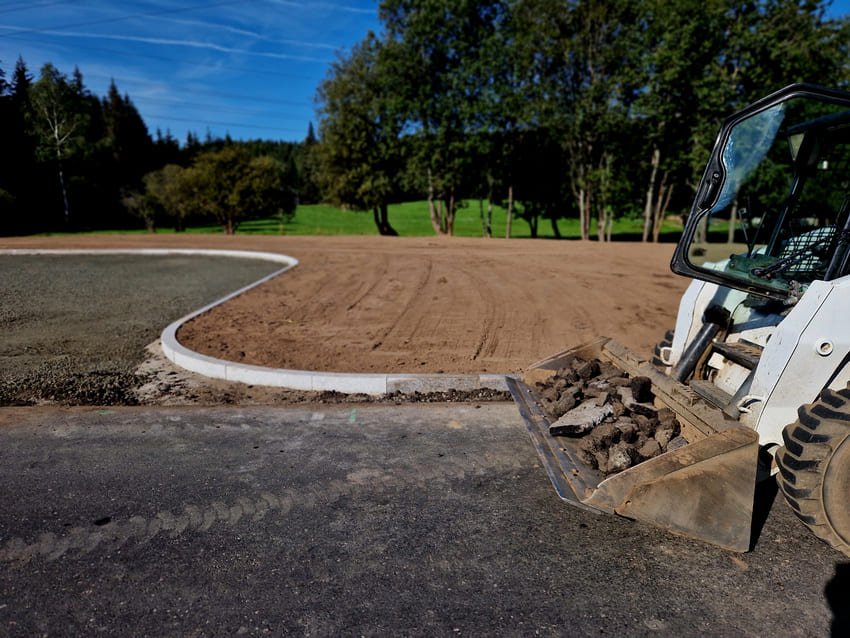
Driveway grading focuses on the foundational subbase, structural contour, and surface slope of your driveway. Using precision machinery, professional operators reshape and smooth the ground to establish proper elevation, eliminate washboarding, and channel rainwater safely away from surrounding structures. This process is essential for unpaved surfaces such as gravel, crushed stone, and aggregate driveways.
When you invest in driveway grading services, you address your driveway’s core stability rather than applying a temporary surface patch. Grading redistributes aggregate evenly, compacts loose materials, and creates a gentle crown along the center line. This structural crown allows runoff to drain naturally into designated areas, preventing severe erosion, deep ruts, and future foundation damage.
What Is Driveway Resurfacing and How Does It Work?
Driveway resurfacing is an advanced aesthetic and structural treatment designed primarily for paved surfaces like asphalt and concrete. Rather than replacing an entire driveway from the base up, resurfacing removes the damaged top layer and applies a fresh coat of premium material. This renewal process bonds securely to the sound subbase below, delivering a seamless finish that looks entirely new.
This technique resolves localized surface imperfections, fine cracks, and cosmetic discoloration without the extensive expense of full reconstruction. Resurfacing extends the operational lifespan of existing pavement, providing a smooth, refined surface that withstands vehicle traffic and seasonal freeze-thaw cycles effortlessly.
Key Differences Between Grading and Resurfacing
The main difference is whether the project addresses foundational ground contouring or top-layer surface renewal. Grading corrects subsurface compaction, slope angles, and gravel redistribution, making it an essential service for unpaved properties. Resurfacing focuses on laying a fresh, unified outer layer over paved surfaces that already possess a stable, solid base.
Another distinction lies in how each method handles moisture management. Grading actively redirects water flow through precise earth shaping, while resurfacing seals the surface to prevent moisture from penetrating underlying concrete or asphalt. Both methods deliver significant value, but the right choice depends on your driveway material and current foundation integrity.
Signs Your Property Needs Driveway Grading
Many property owners ask: How do I know if my driveway needs grading or resurfacing? The most telling indicator is persistent standing water. If you notice pooling water after light rainfall, severe potholes forming in aggregate, or rapid washouts along the edges, your driveway foundation likely lacks adequate slope and compaction.
Another sign includes uneven gravel distribution, where heavy vehicle use pushes aggregate into high ridges and deep troughs. High-quality driveway grading services restore absolute balance across the entire span, smoothing rough transitions and safeguarding your vehicles from unnecessary undercarriage wear.
When Is Resurfacing the Better Investment
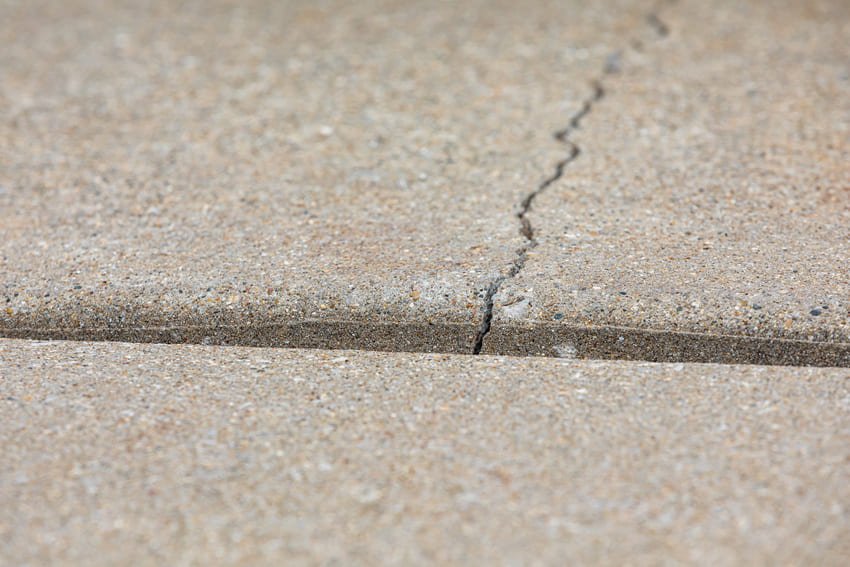
If your concrete or asphalt driveway shows widespread hairline cracking, shallow surface pitting, or dull sun fading, resurfacing represents the ideal solution. When the subbase underneath remains completely structurally sound with no deep sinking, applying a new top layer restores luxury appeal quickly and cost-effectively.
Resurfacing proves less suitable when deep structural shifting or extensive base failure is present. When the underlying ground has destabilized, foundational correction must occur before applying any cosmetic or protective overlay to achieve lasting durability.
Choosing Emerald Landworks for Premium Results
Restoring your private drive requires specialized machinery, meticulous attention to detail, and a deep understanding of local soil conditions. At Emerald Landworks, our experienced specialists evaluate your terrain, drainage patterns, and everyday needs to deliver custom, lasting results tailored to your estate.
Whether your property demands comprehensive driveway grading services to correct chronic drainage or a refined surface renewal, we prioritize precision craftsmanship and transparent communication at every stage. We treat your property with the utmost care, ensuring every project reflects unmatched quality, structural safety, and timeless beauty.