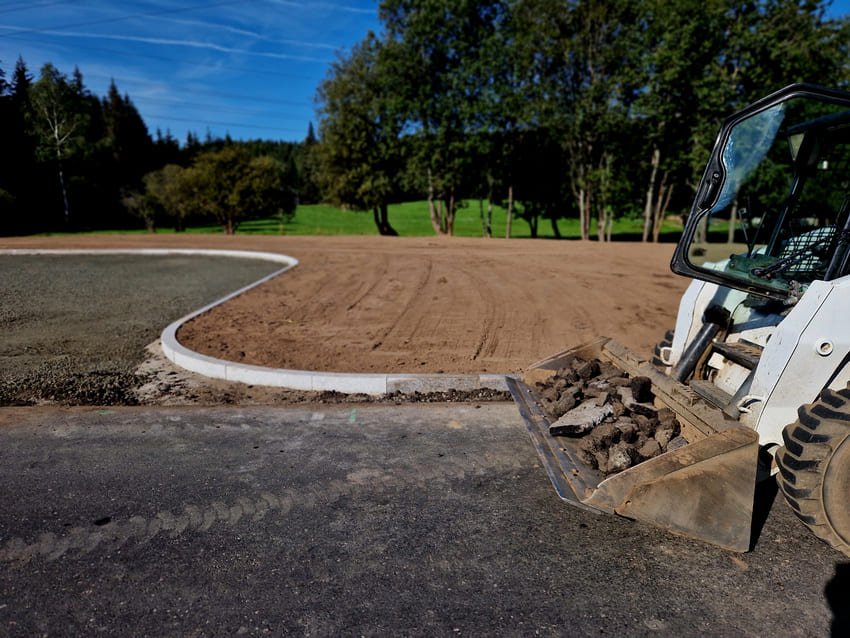
Smart Machines are evolving along with other industries. Heavy equipment has always played a central role in shaping the landscape around us. From agriculture and forestry to infrastructure development and land management, machines such as excavators, bulldozers, tractors, and compact track loaders allow people to move earth, manage vegetation, and develop land at a scale that would otherwise be impossible.
Over the past two decades, however, the heavy equipment industry has undergone one of the most significant technological transformations in its history. Advances in satellite positioning, digital monitoring systems, automation, and machine diagnostics are changing how equipment operates in the field.
What were once purely mechanical machines are now highly sophisticated systems integrating sensors, onboard computers, and advanced hydraulic controls. These innovations are helping operators work with greater precision, improving safety on job sites, and increasing efficiency across industries such as agriculture, forestry, and land management.
Today, modern equipment is not only powerful—it is increasingly precise, data-driven, and technologically advanced.
Why Equipment Technology Matters in Land Management
Many industries that rely on heavy equipment operate in environments where precision matters.
In agriculture, poor grading can disrupt irrigation systems and contribute to erosion. In forestry, careless equipment use can damage root systems or unnecessarily disturb soil structure. During vegetation management or defensible space work, precision can determine whether desirable trees and plants are preserved while hazardous vegetation is removed.
Historically, achieving this level of precision depended almost entirely on operator experience. Skilled operators relied on manual measurements, visual estimation, and repeated adjustments to achieve the desired results.
While experience remains essential, modern technology now provides tools that help operators perform these tasks more consistently and efficiently.
Today’s machines can assist operators by:
- guiding precise grading and slope control
- monitoring machine performance and fuel use
- detecting safety hazards around the machine
- tracking equipment health and maintenance needs
- improving visibility and operator awareness
These technologies help reduce unnecessary machine passes, minimize soil disturbance, and improve overall project outcomes.
The Precision Revolution: GPS Machine Control
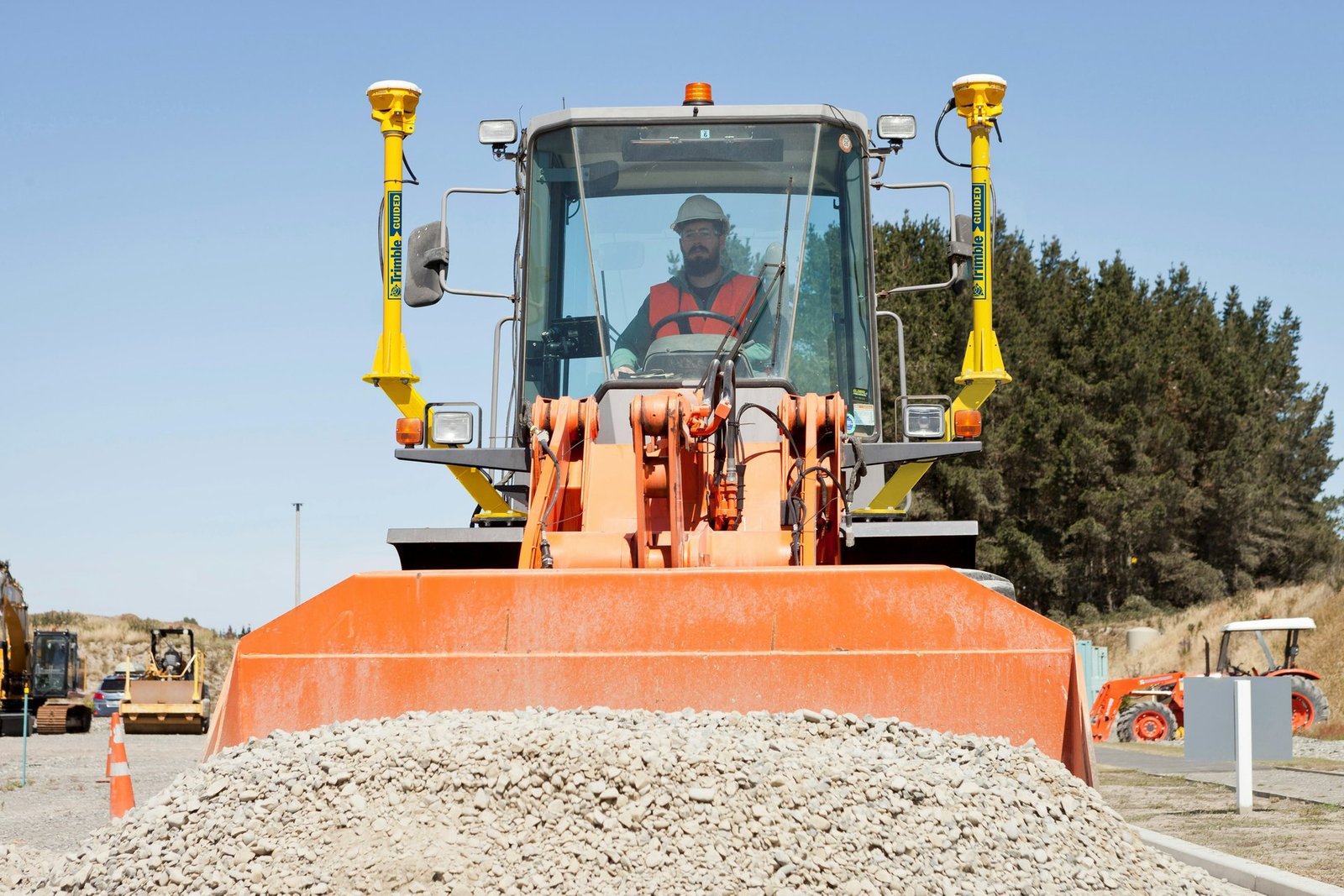
One of the most significant innovations in modern heavy equipment is the widespread adoption of GPS machine control systems.
These systems combine satellite positioning with RTK (Real-Time Kinematic) correction signals or base stations, allowing machines to determine their location with remarkable accuracy—often within one to three centimeters.
When paired with digital terrain models, machine control systems allow operators to see real-time grade and positioning data directly on an in-cab display.
GPS machine control is now commonly used on:
- bulldozers
- excavators
- motor graders
- agricultural tractors
- certain forestry machines
Instead of repeatedly checking grade with survey stakes or laser levels, operators can follow digital guidance displayed on a screen inside the cab.
This technology provides several important advantages.
Reduced Rework
Achieving the correct grade on the first pass reduces fuel use, labor time, and machine wear.
Improved Soil Protection
Minimizing unnecessary machine passes helps protect soil structure and reduces compaction—an important consideration in both agriculture and forestry.
Better Water Management
Accurate grading improves drainage patterns, irrigation efficiency, and erosion control.
In agriculture, similar GPS systems allow tractors to steer automatically along precise rows during planting or harvesting. This precision reduces overlap and improves overall productivity.
Across multiple industries, GPS machine control has fundamentally changed how operators approach grading and land shaping tasks.
Smart Machines: Telematics and Equipment Monitoring
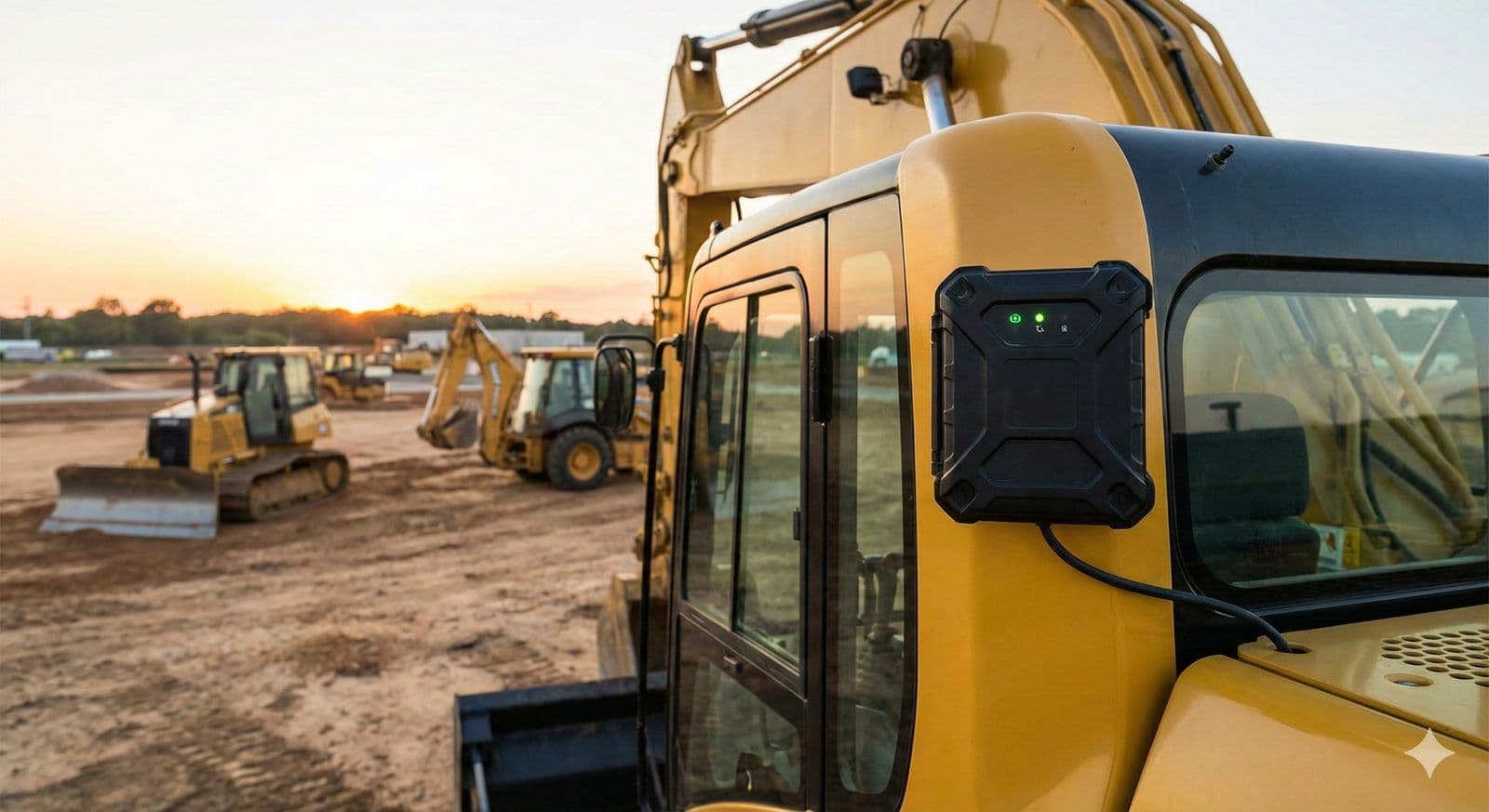
Another major technological advancement in heavy equipment is the introduction of telematics systems.
Telematics technology collects data from machines and transmits it to equipment owners or fleet managers. Most major equipment manufacturers now include telematics capabilities in their newer machines.
These systems can track a wide range of information, including:
- engine performance
- fuel consumption
- operating hours
- idle time
- maintenance alerts
- machine location
This information can be accessed remotely through web dashboards or mobile applications.
For equipment owners and operators, telematics provides valuable insight into how machines are being used.
Fuel consumption can be monitored to identify inefficiencies. Excessive idle time can be reduced. Maintenance schedules can be tracked more accurately to prevent costly breakdowns.
For equipment working in remote forestry areas or large agricultural properties, telematics also provides an additional layer of operational awareness by allowing managers to track equipment location and usage.
These capabilities help businesses operate more efficiently while protecting expensive equipment investments.
Predictive Maintenance and Data-Driven Equipment Management
Data collected through telematics systems is increasingly being used to support predictive maintenance.
By analyzing patterns in machine performance data, modern monitoring systems can detect early signs of mechanical issues before they develop into serious failures.
These systems may monitor factors such as:
- hydraulic pressure variations
- engine vibration levels
- abnormal fuel consumption
- cooling system temperatures
When unusual patterns appear, operators or maintenance teams can receive alerts suggesting that inspection or maintenance may be required.
Although true artificial intelligence in heavy equipment is still evolving, data-driven diagnostics are already helping many operators reduce unexpected downtime.
In industries such as forestry and agriculture—where machines often operate far from repair facilities—preventing unexpected mechanical failures can significantly improve productivity and safety.
Automation and the Future of Autonomous Equipment
Automation is another area where heavy equipment technology continues to advance.
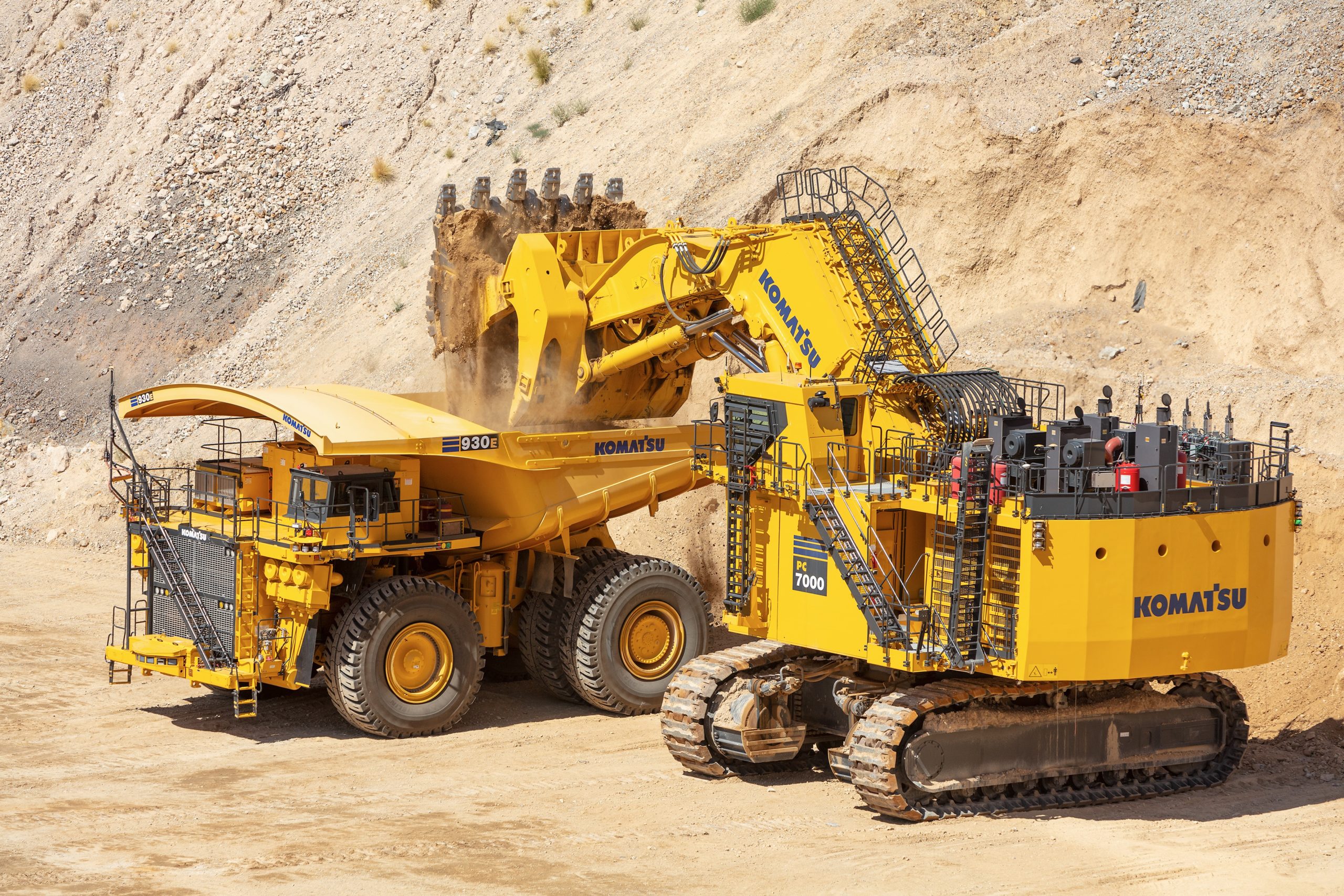
Fully autonomous equipment is still relatively rare outside of large mining operations. However, many modern machines now include operator-assist automation systems that help maintain consistent results during precision tasks.
Examples include:
- automatic blade control on bulldozers
- excavator grade-assist systems
- GPS auto-steering on agricultural tractors
- precision planting systems in farming equipment
These technologies do not replace the operator. Instead, they assist with repetitive precision tasks, reducing fatigue during long workdays and helping maintain consistent results.
Automation allows operators to focus more on situational awareness, jobsite conditions, and overall machine control.
As sensor technology and computing power continue to improve, more advanced automation features will likely become increasingly common across construction, forestry, and agricultural equipment.
Safety Technology Protecting Operators and Workers
Heavy equipment operations involve inherent risks. Large machines operate in environments where visibility can be limited and workers may be operating nearby.
Modern equipment technology is helping reduce these risks through a range of new safety systems.
Common safety technologies now include:
360-Degree Camera Systems
Multiple cameras provide operators with a bird’s-eye view around the machine, significantly reducing blind spots.
Proximity Detection Sensors
Radar and ultrasonic sensors can detect nearby obstacles or workers and alert operators to potential collisions.
Machine Stability Monitoring
Some machines monitor slope angles and machine balance, warning operators when operating conditions approach unsafe limits.
Improved Cab Design
Modern equipment cabs offer improved visibility, better ergonomics, and reduced vibration, helping operators remain alert and comfortable during long workdays.
While safe equipment operation will always depend on proper training and awareness, these technologies add an important layer of protection for both operators and nearby personnel.
Efficiency Improvements and Environmental Performance
Advances in equipment technology are also improving fuel efficiency and reducing environmental impact.
Modern engines and hydraulic systems are significantly more efficient than those produced just a few decades ago. Features such as electronic engine management, load-sensing hydraulics, and automatic idle reduction help machines use fuel more efficiently.
Many machines now include:
- variable displacement hydraulic pumps
- automatic idle shutdown systems
- optimized engine power management
- advanced emissions control systems
Electric construction equipment is beginning to appear in certain applications, particularly smaller compact machines used in urban environments where emissions restrictions are stricter.
However, diesel engines remain the primary power source for most heavy equipment due to the high power requirements involved in earthmoving, forestry, and agricultural operations.
Even so, ongoing improvements in engine efficiency and emissions standards continue to reduce the environmental footprint of modern equipment.
Technology in Real-World Forestry and Agriculture
The practical benefits of equipment technology become especially clear in real-world land management applications.
Modern compact track loaders equipped with forestry mulching attachments allow operators to clear dense brush and small trees efficiently while maintaining precise control around desirable vegetation.
Excavators with refined hydraulic controls and improved visibility allow operators to perform delicate tasks such as:
- selective vegetation removal
- drainage installation
- erosion control work
- agricultural field preparation
In agriculture, GPS-guided tractors allow farmers to plant and cultivate crops with remarkable precision across large fields.
In forestry operations, improved machine stability, hydraulic performance, and cutting attachments allow operators to manage vegetation more selectively while minimizing disturbance to surrounding soil and ecosystems.
Technology does not replace operator skill—but it significantly enhances what experienced operators are capable of accomplishing.
The Future of Heavy Equipment
The heavy equipment industry continues to evolve rapidly as technology advances.
Future developments are likely to include:
- expanded use of automation and operator-assist systems
- improved predictive maintenance tools
- more advanced remote machine monitoring
- expanded electric and hybrid equipment options
- greater integration of digital terrain modeling and site planning
As these technologies mature, machines will continue to become safer, more efficient, and more precise.
For industries that depend on heavy equipment to manage land responsibly—whether in agriculture, forestry, or construction—these advancements represent an important step forward.
Final Thoughts
Heavy equipment has always evolved alongside technological progress. Machines that once relied entirely on mechanical systems are now equipped with sensors, satellite positioning systems, advanced hydraulics, and digital monitoring platforms.
These innovations are transforming how operators work in the field.
Today’s excavators, tractors, and forestry machines are not only powerful tools—they are increasingly intelligent systems designed to improve accuracy, safety, and efficiency.
For those who work directly with the land, the combination of skilled operators and modern technology offers new opportunities to manage land more responsibly and effectively.
As equipment continues to evolve, the role of technology in land management will only become more important in the years ahead.
References
- Trimble Navigation Ltd. Machine Control Systems and RTK Positioning Technology
- https://www.ptxag.com/us/en/brands/ptx-trimble.html
- Association of Equipment Manufacturers (AEM). Telematics and Fleet Management in Construction Equipment
- McKinsey & Company. Predictive Maintenance and Data Analytics in Heavy Industry
- Caterpillar Inc. Automation and Operator Assist Systems in Construction Equipment
- Occupational Safety and Health Administration (OSHA). Heavy Equipment Safety Guidelines
- U.S. Environmental Protection Agency (EPA). Diesel Engine Efficiency and Emissions Standards
About the Author:
The team at Emerald Landworks works with forested and rural properties throughout Lane County and the surrounding regions of western Oregon, specializing in vegetation management, forestry mulching, and wildfire defensible space preparation. Drawing on years of hands-on experience in wildfire suppression and land stewardship, the company focuses on practical, science-informed approaches to restoring balance in forest ecosystems.
Emerald Landworks works with landowners to address invasive vegetation, reduce hazardous fuel loads, and reclaim overgrown properties in ways that support long-term land health. By combining modern equipment with an understanding of Pacific Northwest forest ecology, the team helps property owners improve access to their land while protecting soil, wildlife habitat, and the resilience of local forests.
Based in Oregon’s Willamette Valley, Emerald Landworks serves private landowners, rural properties, and land managers seeking responsible vegetation management solutions that prioritize both safety and environmental stewardship.